 WhatsApp
Investigate
Start with the visible symptoms, where they appear and what may be happening around them.
Damp and moisture services
AP Property Preservation keeps the service journey simple: understand the problem, explain the cause and carry out the right preservation work for the property.
Start with the symptom
Damp, timber decay, mould and wall-tie concerns can look similar at first. Start with the symptom, then choose the most relevant service area before contacting Andrew.
Arrange a house visit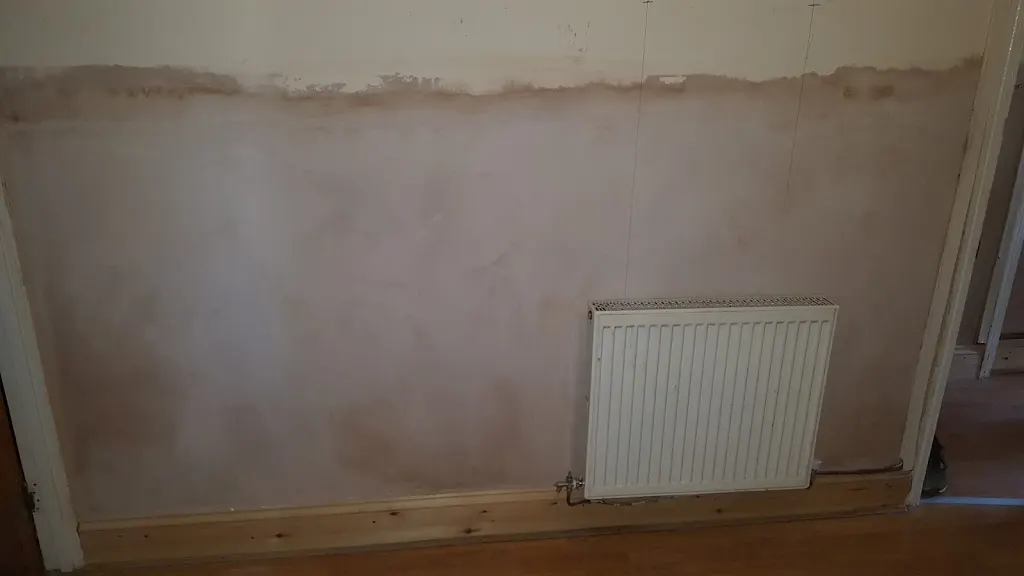
Damp patches, tide marks, peeling paint, musty rooms or condensation patterns.
Timber preservationTimber damage or insect signsExit holes, fine dust, softened timber, fungal decay or suspicious floor movement.
WaterproofingBasement or below-ground waterWet cellar areas, tanking concerns, water tracking or repeat failure below ground.
Structural supportCracking or wall-tie concernsBulging masonry, horizontal cracks, stepped cracking, survey comments or suspected tie corrosion.
Start with the visible symptoms, where they appear and what may be happening around them.
Give plain advice on likely causes before a treatment route is agreed.
Keep remedial work proportionate to the property, defect and agreed outcome.
Aim for practical preservation, tidy workmanship and a clearer route forward.
Damp and moisture
Service images include illustrative examples. Visit our project gallery for photographs of remedial work.
Ask Andrew about this group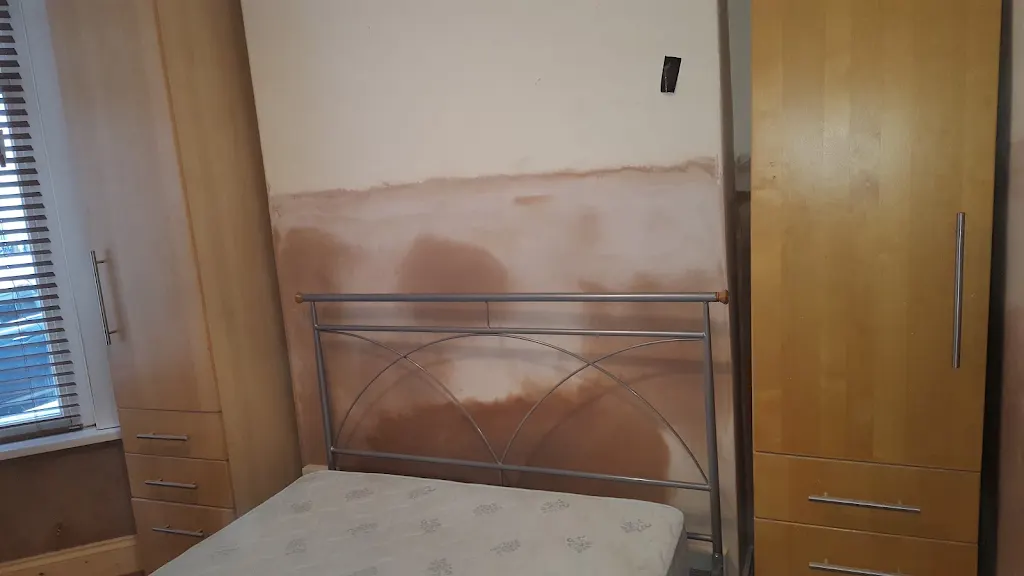
 01.01
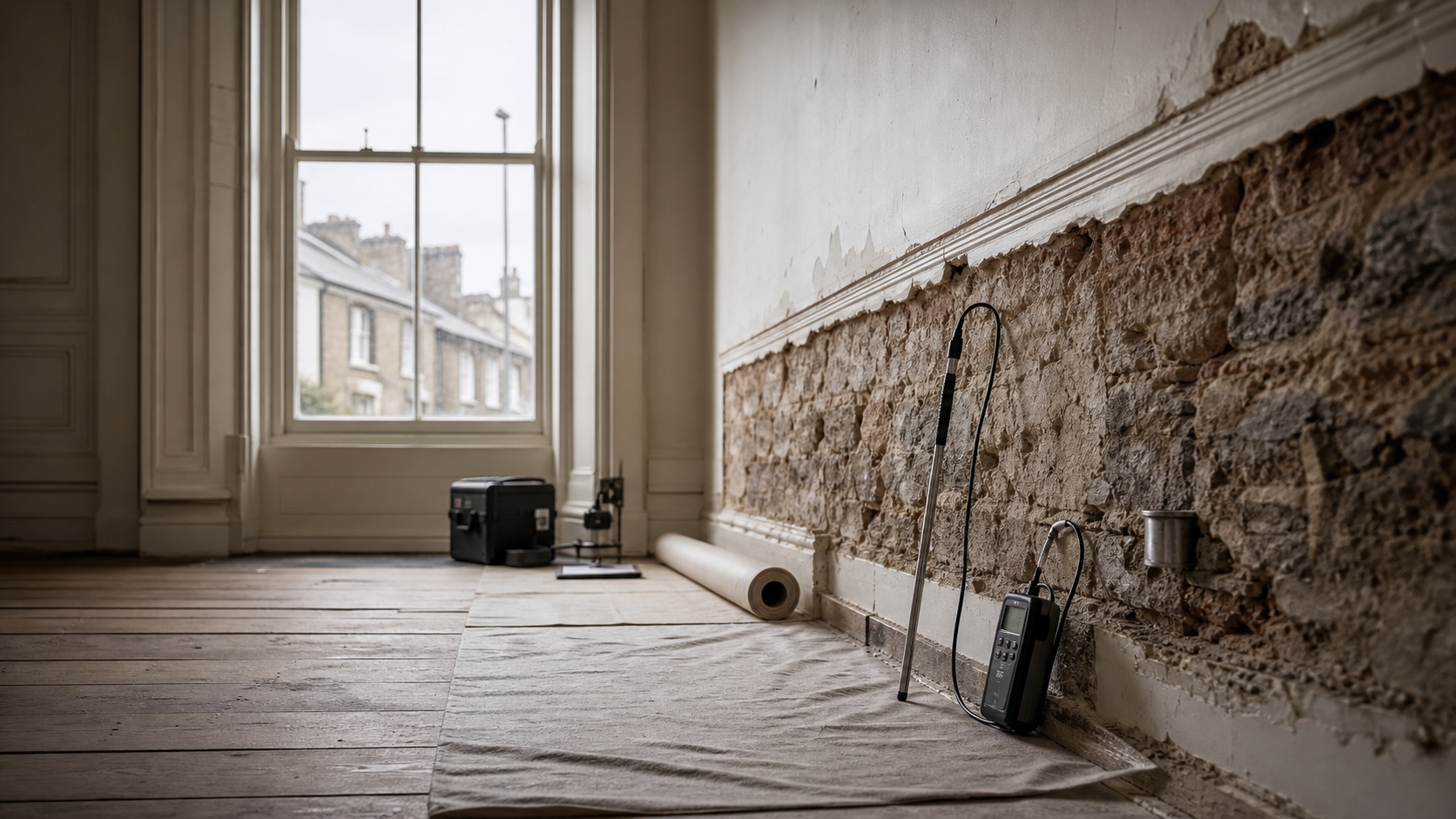
Assessment-led advice to understand where moisture may be coming from before recommending work.
Moisture can be misread, leading to repeat plaster damage, mould growth and money spent on the wrong repair.
Check with Andrew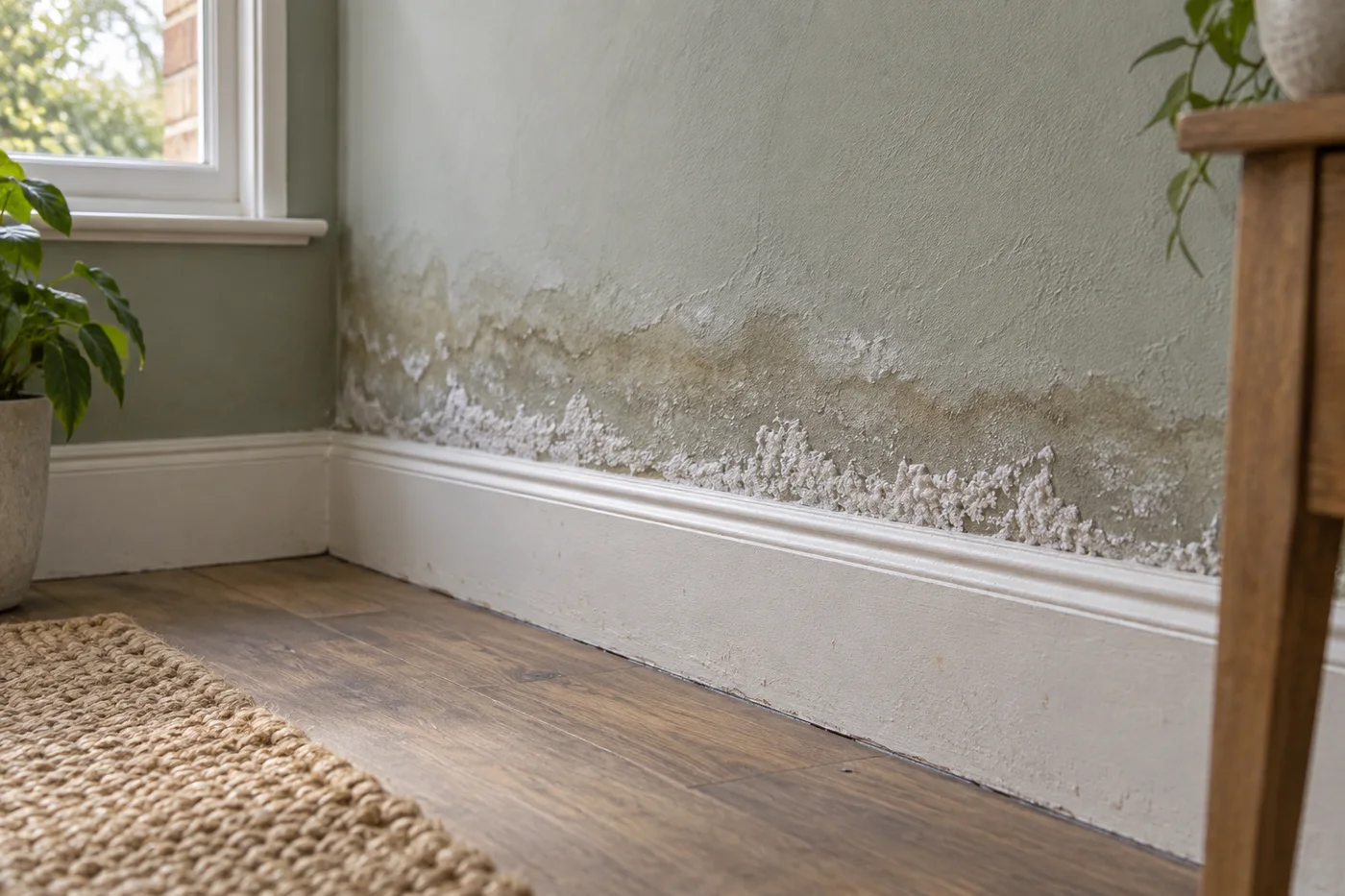 01.02
Help where moisture appears to be travelling up through walls from ground level.
Low-level salts, skirting damage and blown plaster can return after decoration if the cause is not checked.
Check with Andrew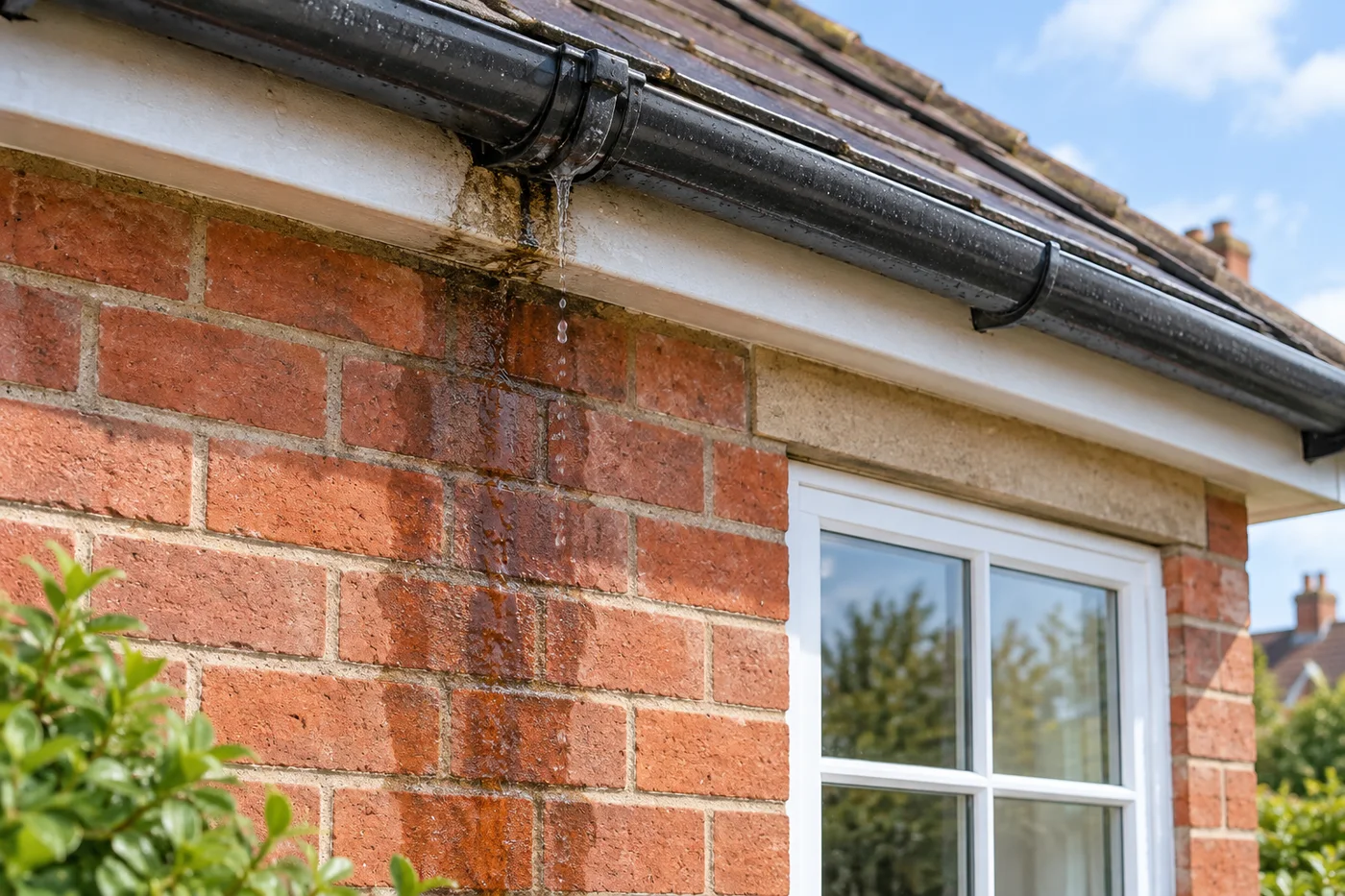 01.03
Advice and remedial work where rainwater or external defects may be allowing moisture into the building fabric.
Rainwater entering the fabric can spread beyond the first visible mark and damage internal finishes over time.
Check with Andrew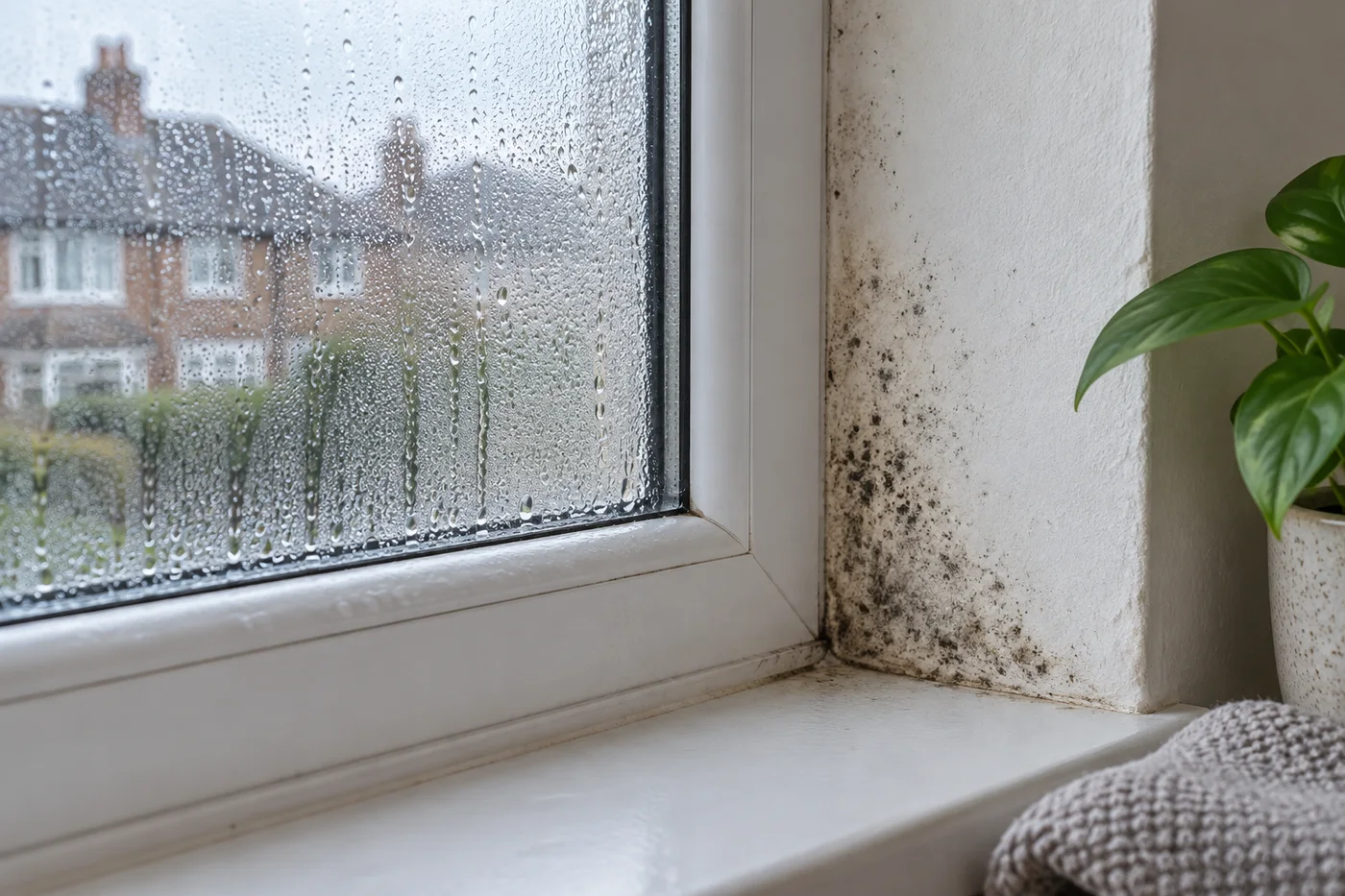 01.04
Practical guidance where everyday moisture, ventilation and surface temperatures may be contributing to mould growth.
Persistent mould can affect comfort, indoor air quality and decorated surfaces if the pattern is not addressed.
Check with AndrewTimber preservation
Service images include illustrative examples. Visit our project gallery for photographs of remedial work.
Ask Andrew about this group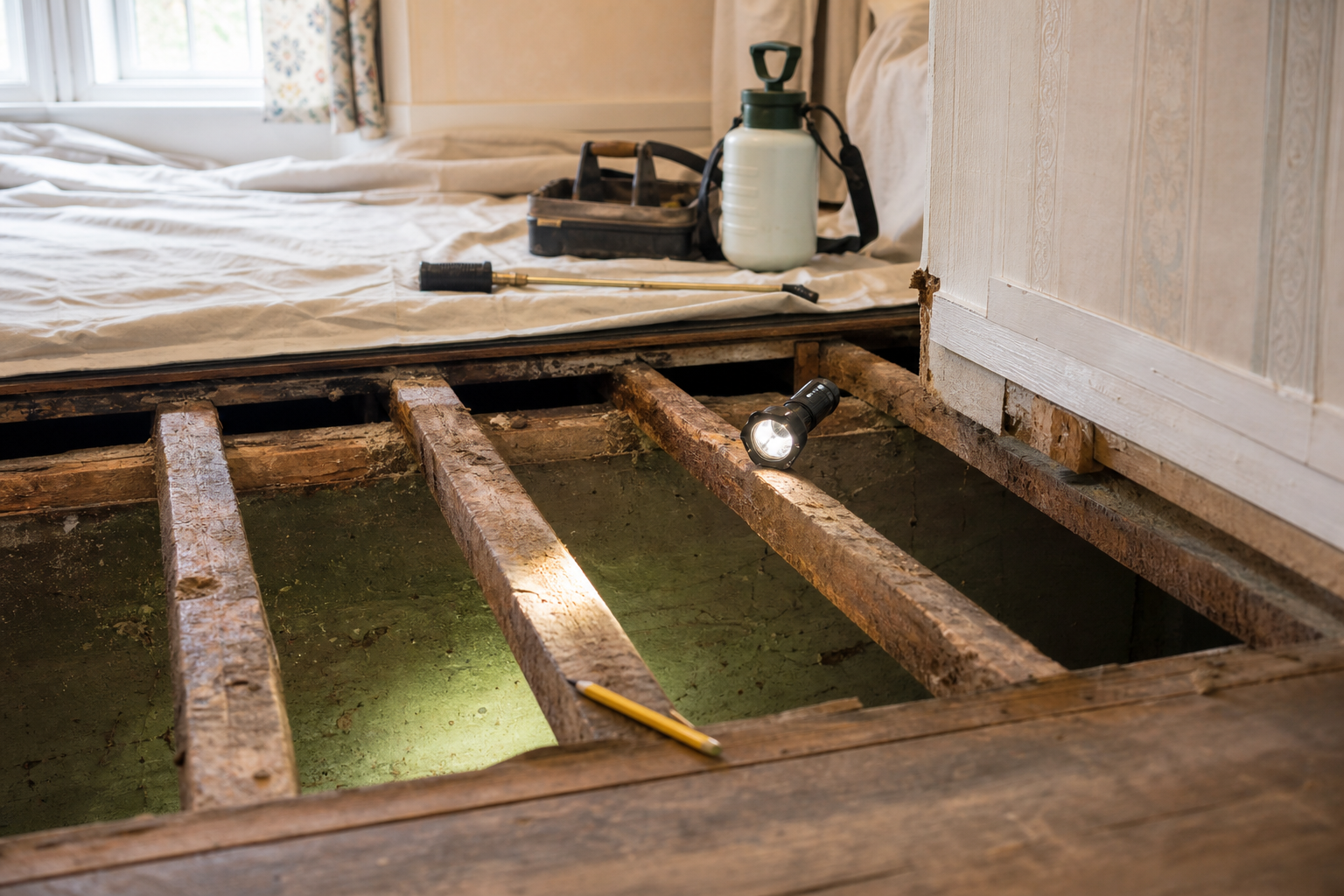
 02.01
Help with suspected wood-boring insect activity in floors, roof timbers, garages and older properties.
Active infestation can continue weakening vulnerable timber, especially in floors, roofs and older outbuildings.
Check with Andrew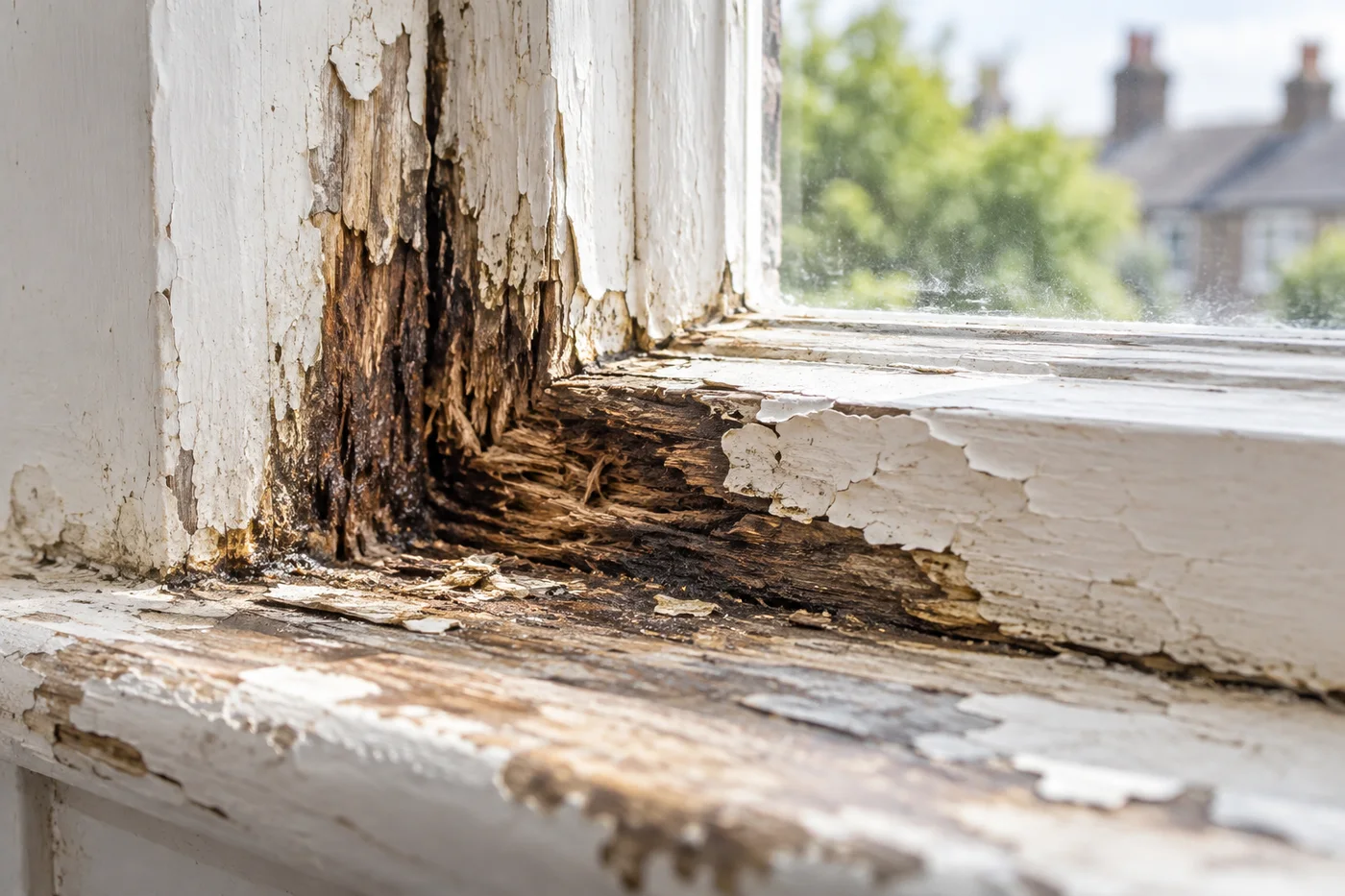 02.02
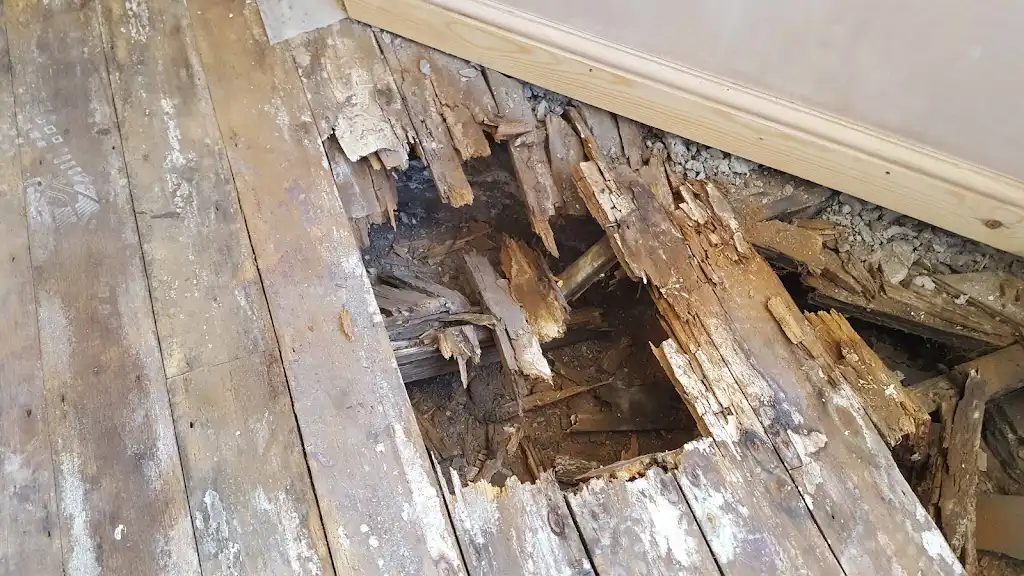
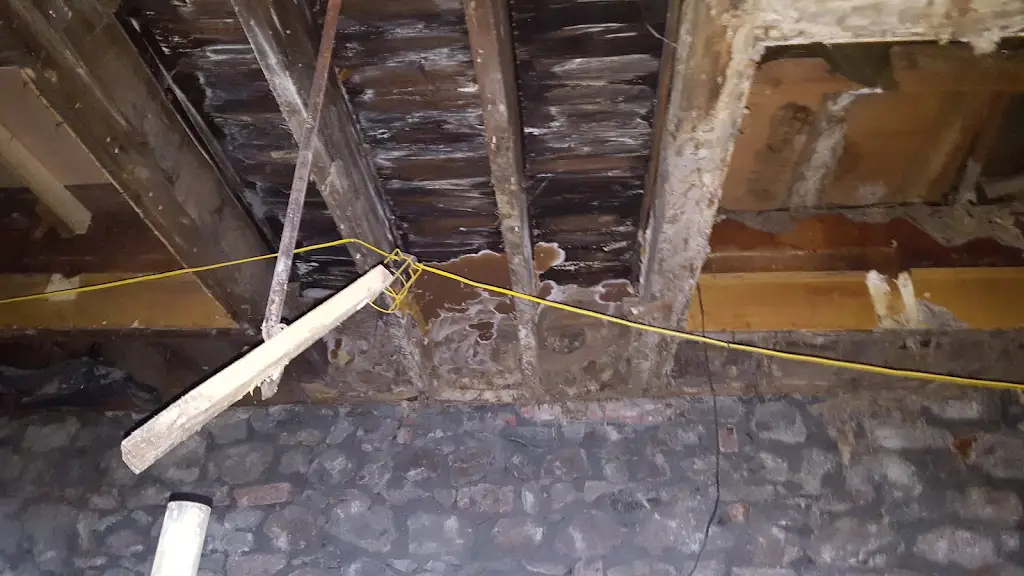
Investigation and treatment where damp timber has softened or decayed.
Rot can progress where timber stays damp, turning a local repair into a larger structural or flooring issue.
Check with Andrew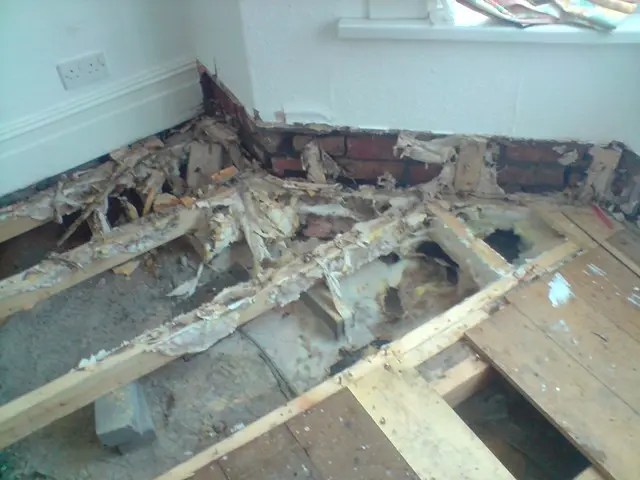
 02.03
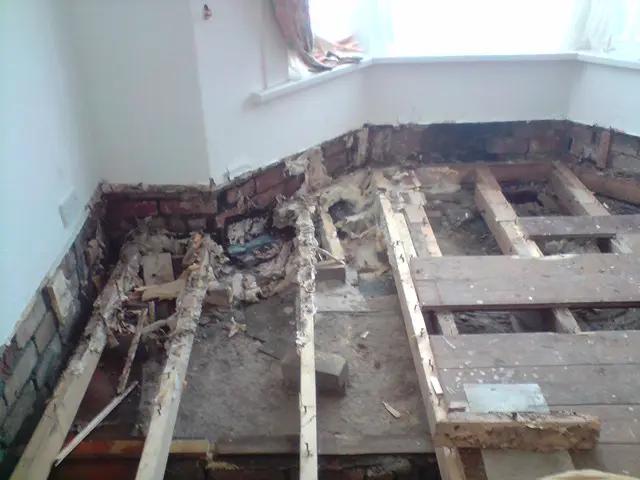
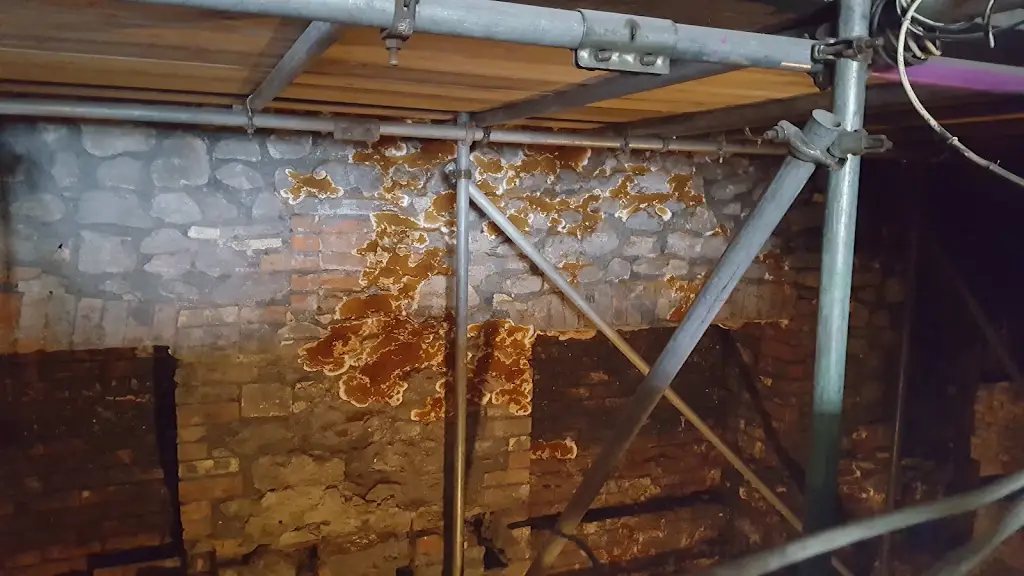
Careful help with suspected dry rot where fungal decay may be affecting timber or masonry-adjacent areas.
Suspected dry rot should be treated seriously because decay can move through concealed areas if conditions allow it.
Check with Andrew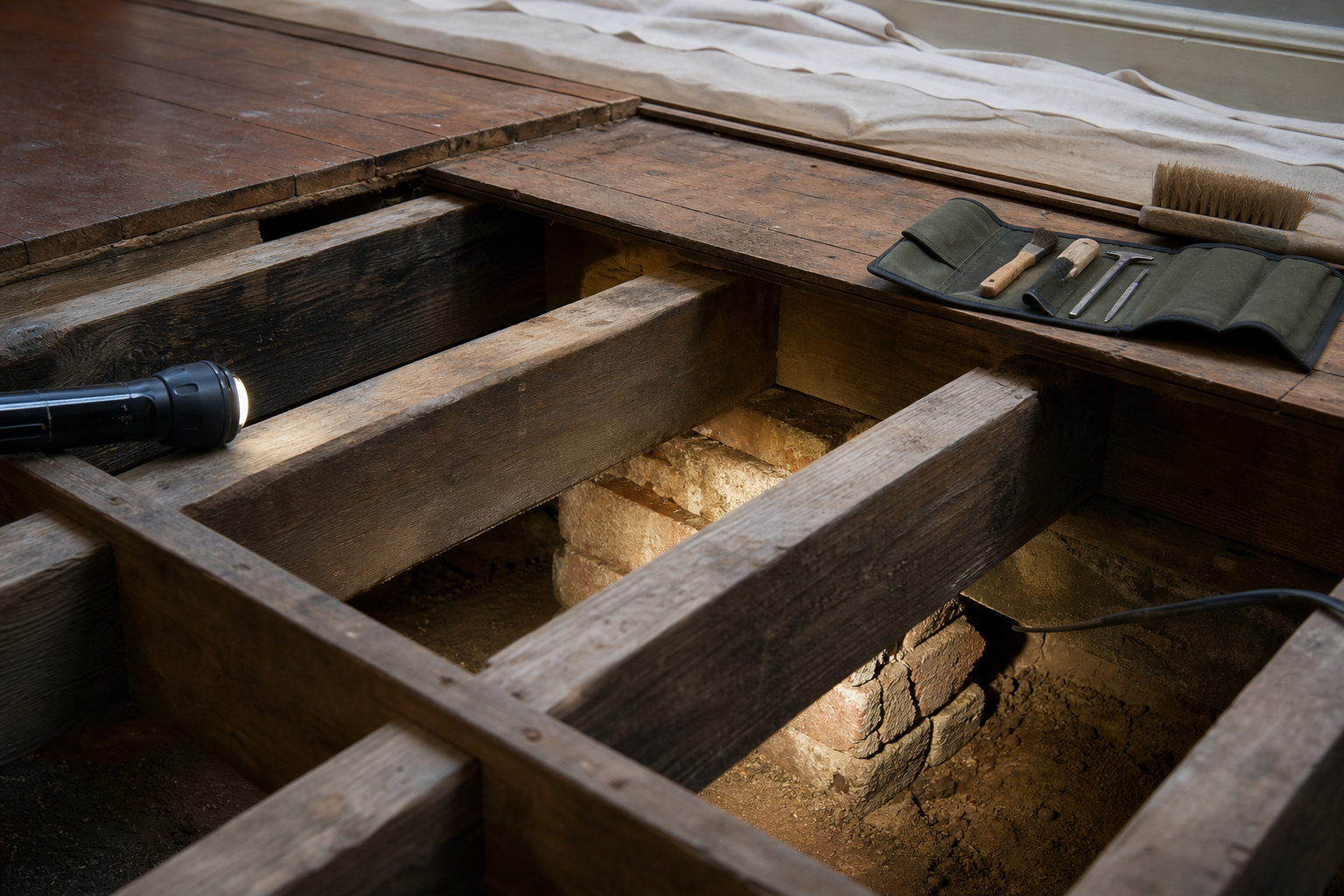 02.04
Preservation treatment for vulnerable or affected timber as part of a broader remedial plan.
Timber exposed to damp or insects can lose strength gradually, often before the full extent is obvious.
Check with AndrewStructural and waterproofing
Service images include illustrative examples. Visit our project gallery for photographs of remedial work.
Ask Andrew about this group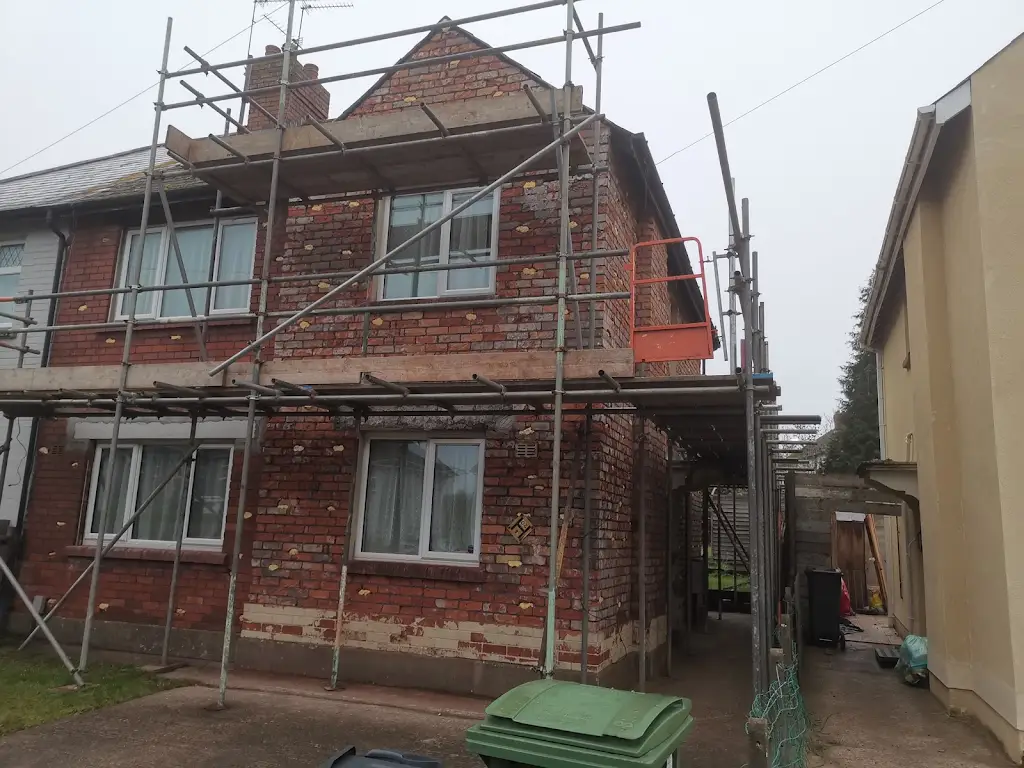
 03.01
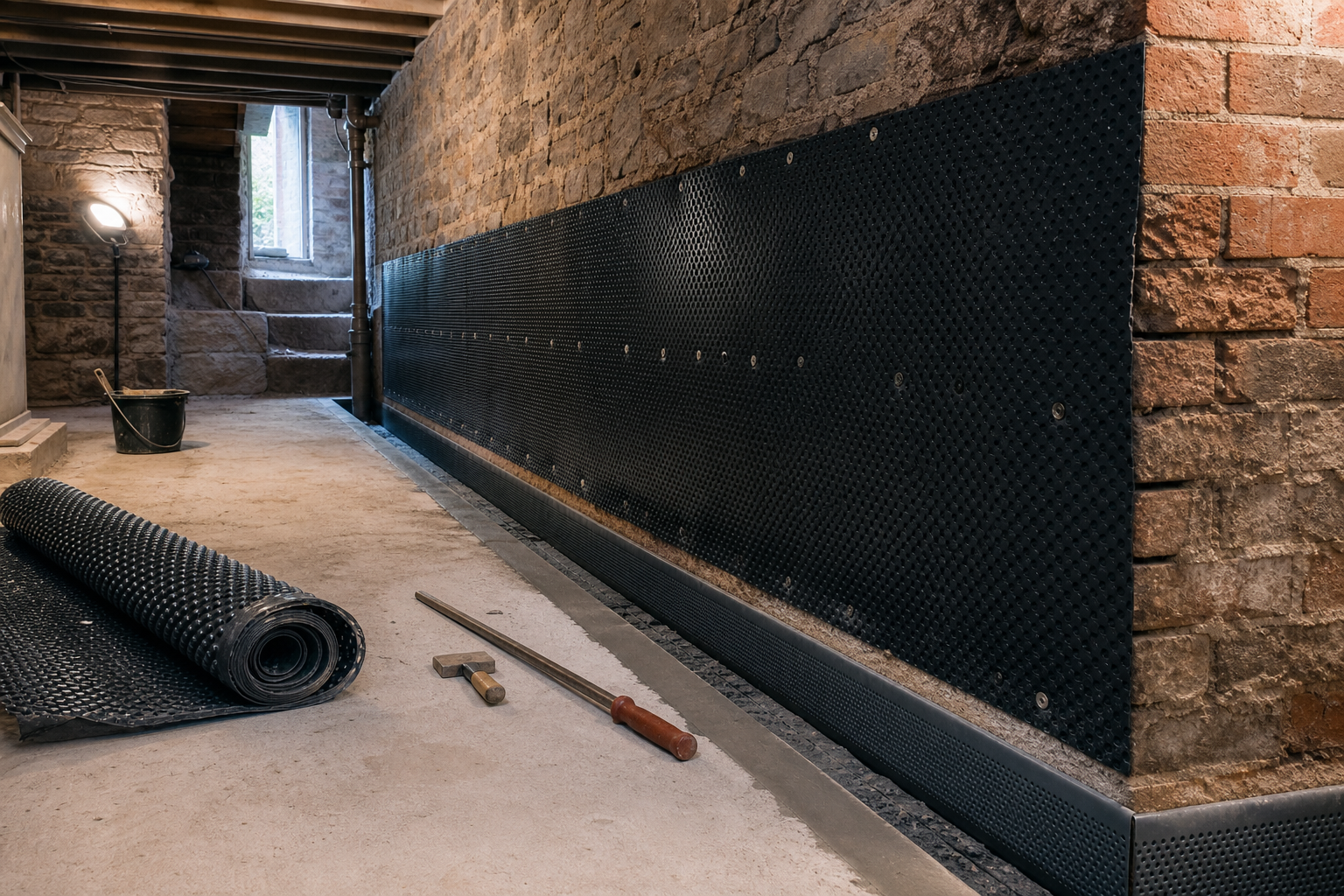
Advice and work for cellars and below-ground areas affected by moisture or water ingress.
Below-ground moisture can limit use of the space, damage stored items and stop finishes lasting.
Check with Andrew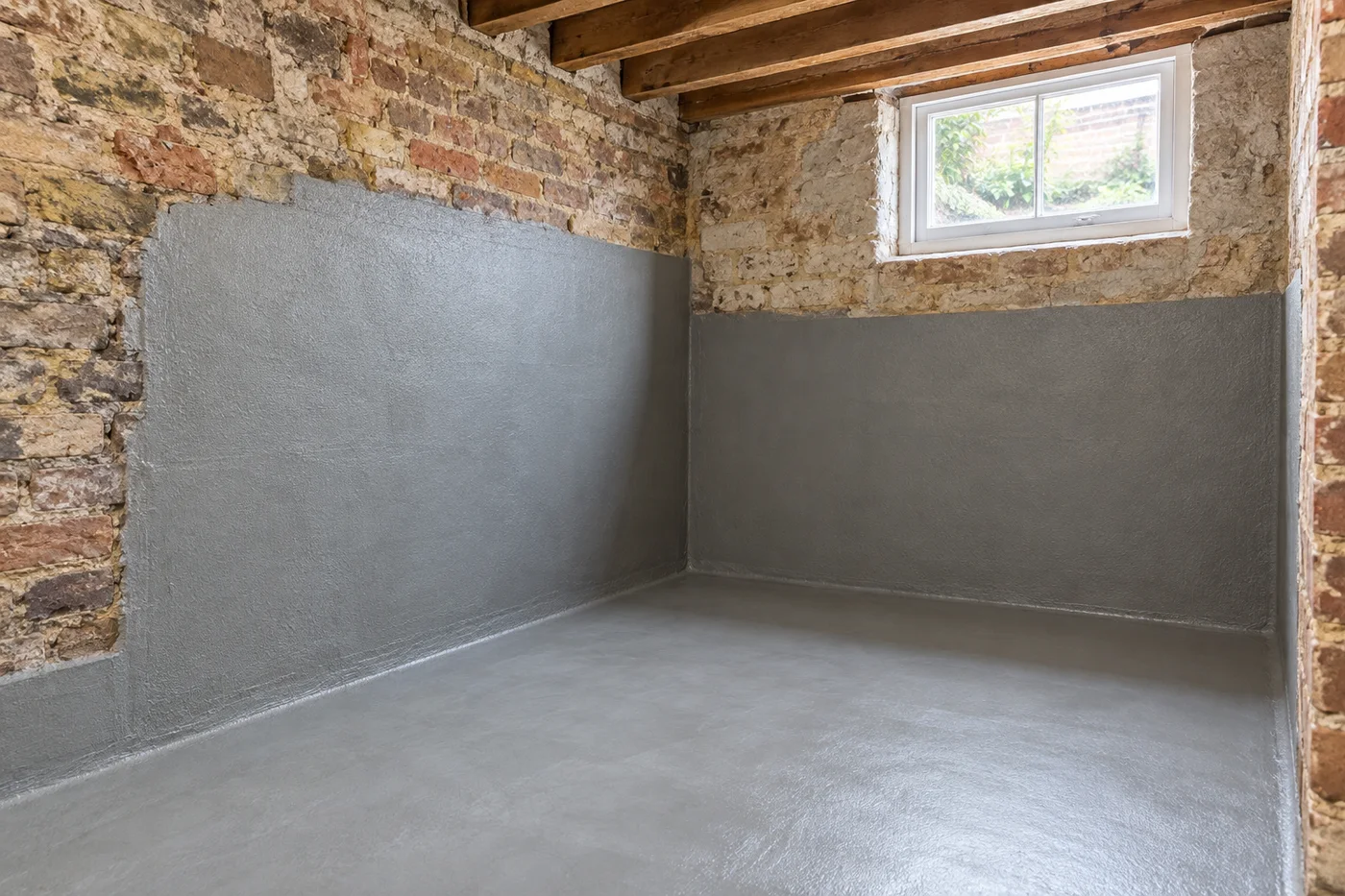 03.02
Tanking and related below-ground work to help make basement spaces drier and more usable.
Poorly controlled water can push through weak points and cause repeat damp, staining and failed finishes.
Check with Andrew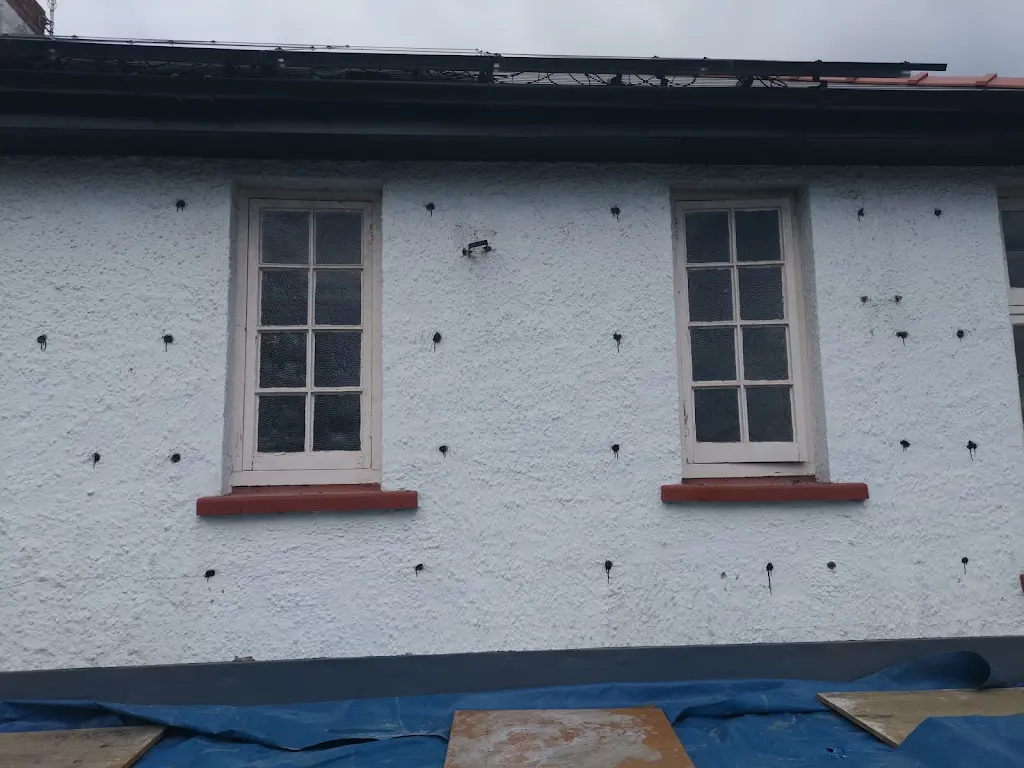 03.03
Replacement of wall ties where deterioration is identified and remedial work is appropriate.
Failed wall ties can contribute to cracking, bulging masonry and more serious stability concerns if ignored.
Check with Andrew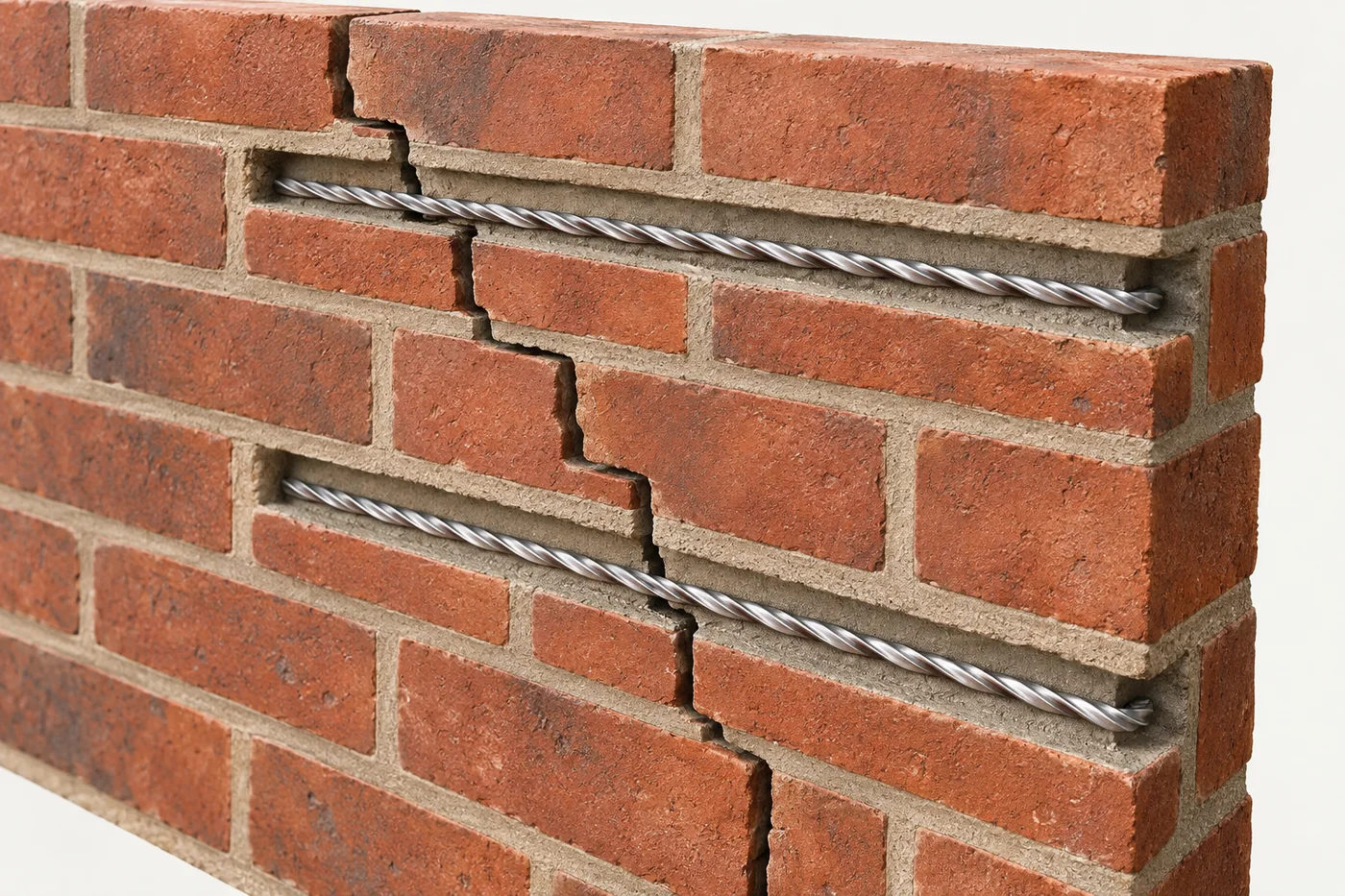 03.04
Crack stitching and reinforcement where masonry cracking needs a structural repair approach.
Structural cracks can reopen or worsen if movement is only covered cosmetically rather than reinforced properly.
Check with Andrew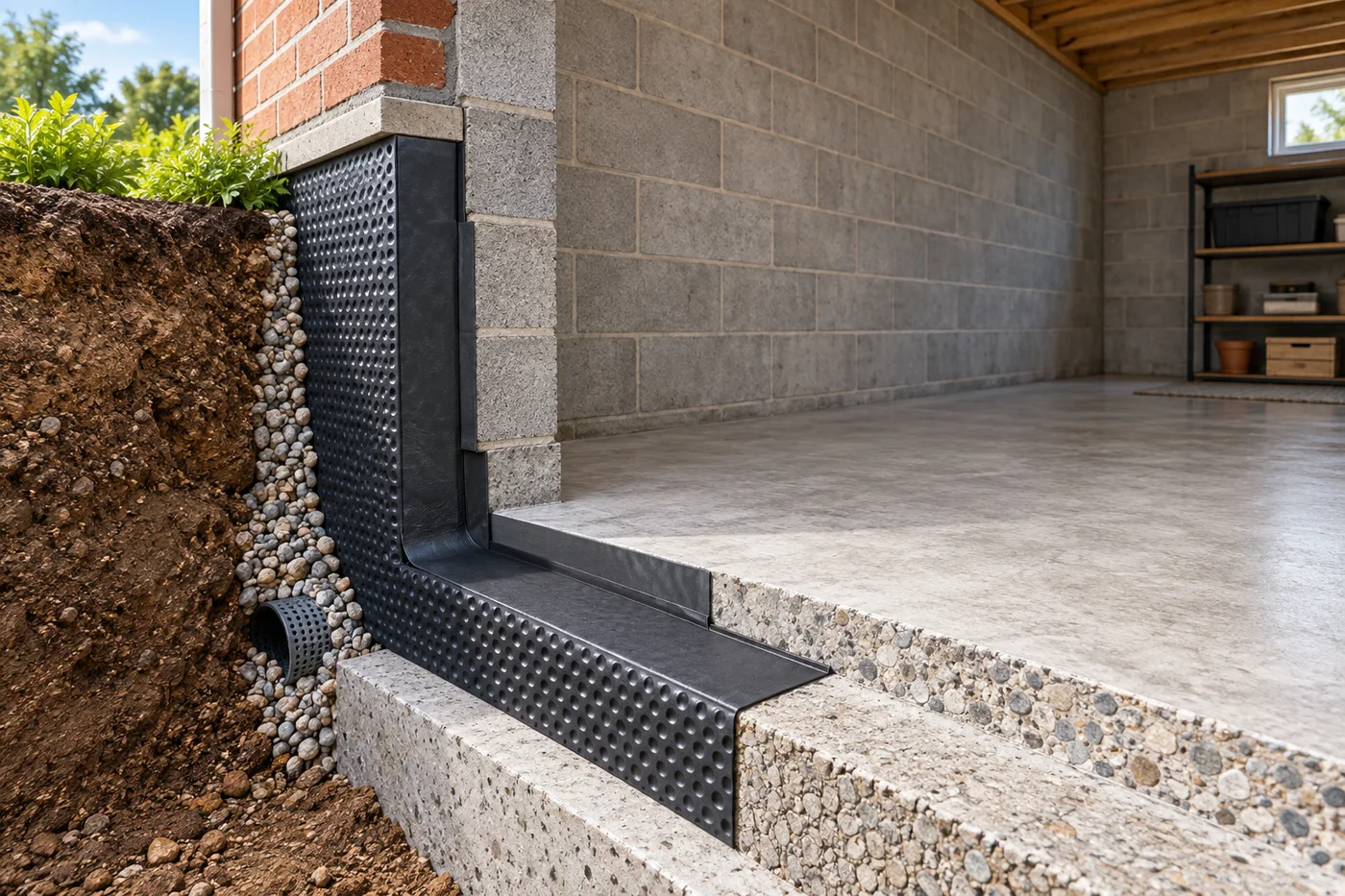 03.05
Preservation-focused waterproofing support for complex damp and below-ground problems.
Complex water ingress can worsen if treated cosmetically while the underlying route remains active.
Check with AndrewHouse renovations
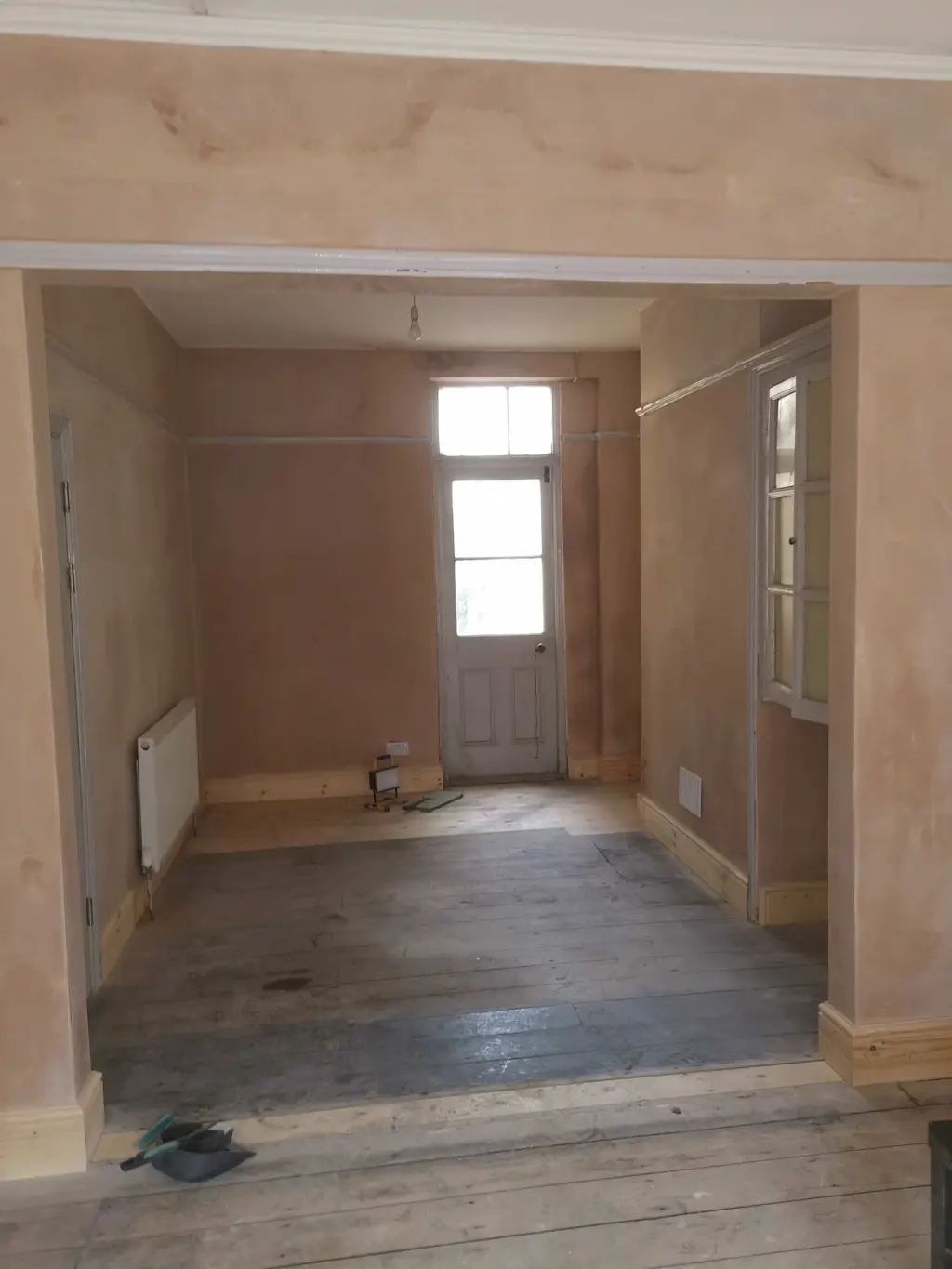
These project photographs show renovation work in progress, from floor insulation to replastering before decoration.
Ask Andrew about this group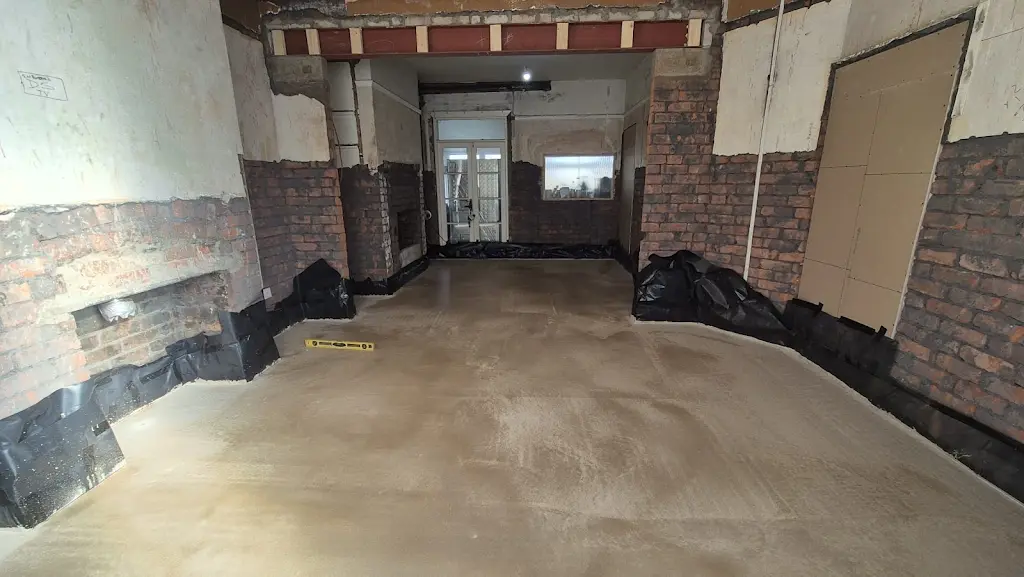
 04.01
Renovation work for homes needing more than a local repair, including internal alterations, floor preparation, insulation and replastering within an agreed scope.
Agree the scope, sequence and property requirements with Andrew before work begins, including any specialist input needed for proposed alterations.
Check with AndrewNot sure which service fits?
Many damp, timber and wall-tie symptoms look similar. Andrew will assess the issue at the property before recommending work or preparing a quote.